
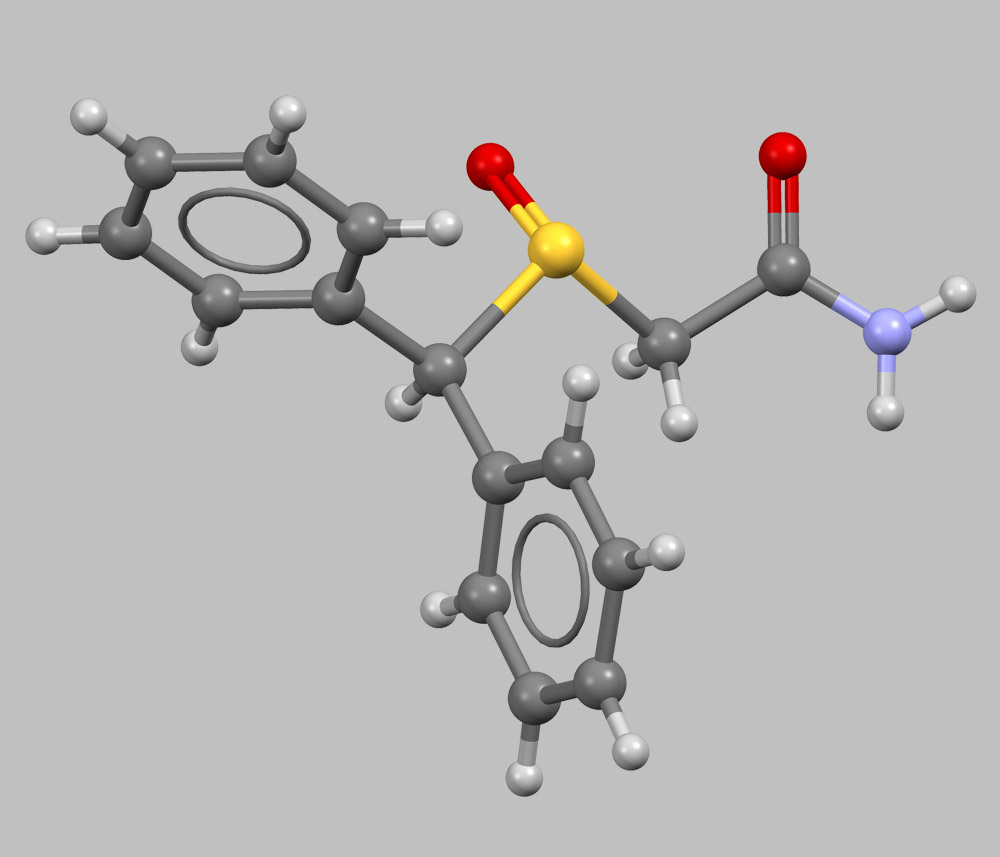
Modafinil (Provigil)
Prescription Required.
All prescribing decisions are made independently by the treating provider based on medical necessity, patient safety, and professional clinical judgment. Completing a consultation does not guarantee that a prescription will be issued.
Prescriptions may be issued only by DEA-registered healthcare professionals.
Modafinil, commonly known by the brand name Provigil, is a prescription wakefulness-promoting medication used in the management of excessive daytime sleepiness associated with certain diagnosed sleep disorders. It acts on the central nervous system (CNS), influencing neurological pathways involved in wakefulness, arousal, and sleep–wake regulation.
Unlike conventional amphetamine-based stimulants, modafinil has a distinct pharmacological profile. Nevertheless, it carries potential risks, including cardiovascular complications, psychiatric adverse reactions, serious hypersensitivity reactions, and dependence.
Modafinil does not replace adequate sleep or cure the underlying causes of sleep disorders. Its therapeutic role is to improve wakefulness in appropriately evaluated patients under medical supervision.
What is Modafinil (Provigil)?
Modafinil is a synthetic pharmaceutical compound belonging to a group of medications known as eugeroics, or wakefulness-promoting agents. It was first approved by the U.S. Food and Drug Administration (FDA) in 1998.
Its primary therapeutic purpose is to address excessive daytime sleepiness (EDS) associated with specific neurological and sleep-related disorders. Excessive daytime sleepiness can significantly interfere with cognitive functioning, occupational performance, daily activities, and overall quality of life.
Unlike sedative medications that facilitate sleep, modafinil influences the neurological systems responsible for maintaining wakefulness. However, its pharmacological effects do not eliminate the physiological need for restorative sleep. [1, 2]
Modafinil: Drug Classification and Pharmaceutical Properties
| Property | Description |
|---|---|
| Generic name | Modafinil |
| Brand name | Provigil |
| Therapeutic class | Wakefulness-promoting agent |
| Pharmacological class | Atypical central nervous system stimulant |
| Drug category | Eugeroic |
| Molecular formula | C15H15NO2S |
| Molecular weight | 273.35 g/mol |
| ATC classification | N06BA07 |
| U.S. controlled substance classification | Schedule IV |
| Pharmaceutical form | Oral tablet |
| Initial FDA approval | 1998 |
Although modafinil shares certain pharmacological characteristics with traditional CNS stimulants, its molecular structure, neurochemical activity, and clinical effects are distinct. It is neither an amphetamine derivative nor a direct dopamine receptor agonist.
Its classification as a Schedule IV controlled substance in the United States reflects its recognized medical applications alongside a potential for misuse and dependence. [3, 4]
What Is Modafinil Used For?
In the United States, modafinil is FDA-approved for improving wakefulness in adults with excessive sleepiness associated with three primary medical conditions.
Narcolepsy
Narcolepsy is a chronic neurological disorder characterized by impaired regulation of the sleep–wake cycle. Individuals with narcolepsy may experience overwhelming daytime sleepiness, disrupted nighttime sleep, and episodes of involuntary sleep.
Modafinil addresses excessive daytime sleepiness associated with narcolepsy. It does not cure the disorder or necessarily improve other manifestations, such as cataplexy—a sudden loss of muscle tone commonly associated with strong emotions.
Obstructive Sleep Apnea (OSA)
Obstructive sleep apnea is characterized by recurrent interruptions in breathing during sleep resulting from partial or complete upper airway obstruction. These interruptions can lead to fragmented sleep and persistent daytime sleepiness.
Modafinil may have a therapeutic role in managing residual daytime sleepiness. However, it does not correct airway obstruction and is not a substitute for continuous positive airway pressure (CPAP) therapy or other treatments addressing the underlying respiratory disorder.
Shift Work Sleep Disorder (SWSD)
Shift work sleep disorder, also referred to as shift work disorder (SWD), is a circadian rhythm sleep disorder associated with work schedules that conflict with the body's natural sleep–wake cycle.
Affected individuals may experience excessive sleepiness during working hours and difficulty obtaining restorative sleep during scheduled rest periods.
Modafinil addresses excessive sleepiness associated with the diagnosed disorder rather than correcting the underlying circadian misalignment. [1]
Modafinil Strengths, Forms, and Administration
Modafinil is manufactured as an oral tablet in branded and generic pharmaceutical formulations. The appropriate tablet strength and treatment regimen depend on the diagnosed condition, medical history, liver function, concurrent medications, and individual clinical response.
Treatment requires individualized medical assessment and ongoing clinical supervision. Changes to the prescribed regimen should be evaluated by the treating healthcare professional.
Modafinil is not FDA-approved for pediatric use. Clinical development in younger populations identified important safety concerns, particularly serious dermatological reactions.
Specific dosing schedules are outside the scope of this general medical overview. [5]
The Science Behind Modafinil: Mechanism of Action
The precise mechanism through which modafinil produces its wakefulness-promoting effects remains incompletely understood. Current scientific evidence suggests that its pharmacological activity involves several interconnected neurotransmitter systems and neurological pathways responsible for arousal.
Dopamine transporter inhibition
One of the most extensively studied mechanisms involves the dopamine transporter (DAT), a membrane protein responsible for removing dopamine from the extracellular environment.
Modafinil interacts with DAT and inhibits dopamine reuptake. This activity increases extracellular dopamine concentrations in certain brain regions associated with arousal, motivation, and neurological signaling.
Experimental research suggests that intact dopamine transporter function is important for modafinil's wakefulness-promoting activity. However, dopamine regulation alone may not fully explain its clinical effects.
Orexin and histamine signaling
Orexin, also known as hypocretin, is a neuropeptide involved in maintaining wakefulness and stabilizing transitions between sleeping and waking states.
Research has investigated the relationship between modafinil and orexin-associated pathways, as well as histaminergic neurons involved in neurological arousal. These interactions may represent downstream components of its broader effects on sleep–wake regulation.
Glutamate and GABA
Modafinil may also influence the balance between excitatory and inhibitory neurotransmission.
Glutamate is the principal excitatory neurotransmitter in the central nervous system, while gamma-aminobutyric acid (GABA) is its major inhibitory neurotransmitter.
Preclinical studies have identified changes in glutamatergic and GABAergic signaling following exposure to modafinil. The precise contribution of these changes to its therapeutic effects in humans remains under investigation. [2, 4, 6]
Modafinil: proposed neuropharmacological pathways
DAT inhibition
histamine
and GABA
Sleep–wake regulation
Pharmacokinetics and Metabolism
The pharmacokinetic properties of modafinil describe how the medication is absorbed, distributed, metabolized, and eliminated from the body.
Modafinil consists of two stereoisomers, known as the R-enantiomer and S-enantiomer. Although they have the same molecular formula, they exhibit different pharmacokinetic characteristics.
The medication undergoes extensive hepatic metabolism, producing metabolites that generally lack significant wakefulness-promoting activity. Liver impairment may alter drug clearance and increase systemic exposure, making hepatic function an important consideration during clinical assessment.
Modafinil can also influence the activity of certain cytochrome P450 enzymes. These enzyme-related effects are clinically relevant because they may alter the metabolism and therapeutic effectiveness of other medications. [4, 5]
Clinical Effectiveness and Scientific Evidence
Modafinil has been evaluated in controlled clinical studies involving adults with narcolepsy, obstructive sleep apnea, and shift work disorder.
Researchers have assessed its therapeutic effects using established clinical measurements, including:
- Epworth Sleepiness Scale (ESS).
- Maintenance of Wakefulness Test (MWT).
- Multiple Sleep Latency Test (MSLT).
- Clinical Global Impression of Change (CGI-C).
- Patient-reported assessments of daytime functioning.
Clinical findings support its role in reducing excessive daytime sleepiness in selected patient populations. Nevertheless, therapeutic responses vary, and treatment does not guarantee complete normalization of wakefulness.
Persistent sleepiness despite pharmacological treatment requires further clinical evaluation, particularly when an underlying disorder remains inadequately controlled. [5]
Off-Label and Investigational Uses
Modafinil has also been studied outside its formally approved indications.
Research areas include idiopathic hypersomnia, attention-deficit/hyperactivity disorder (ADHD), depression-associated fatigue, multiple sclerosis-related fatigue, and certain substance use disorders.
The strength of available evidence differs substantially across these conditions. Positive findings in individual clinical studies do not necessarily establish sufficient evidence for routine treatment.
Modafinil is not an FDA-approved treatment for ADHD or depression, nor is it approved as a general cognitive-enhancement medication for healthy individuals. Its nonmedical use raises concerns regarding cardiovascular safety, psychiatric complications, sleep disruption, and dependence. [4]
Modafinil Side Effects and Adverse Reactions
As with other centrally acting pharmaceutical agents, modafinil may produce adverse reactions ranging from mild discomfort to serious medical complications.
Common side effects
| Adverse reaction | Clinical manifestation |
|---|---|
| Headache | Persistent or intermittent head discomfort |
| Nausea | Gastrointestinal discomfort |
| Insomnia | Difficulty initiating or maintaining sleep |
| Anxiety | Increased nervousness or psychological tension |
| Dizziness | Lightheadedness or impaired balance |
| Diarrhea | Changes in gastrointestinal function |
| Dry mouth | Reduced oral moisture |
| Nervousness | Restlessness or increased agitation |
The occurrence and severity of adverse effects vary between individuals.
Serious adverse reactions
Potentially severe complications include Stevens–Johnson syndrome (SJS), toxic epidermal necrolysis (TEN), drug reaction with eosinophilia and systemic symptoms (DRESS), anaphylaxis, angioedema, cardiac arrhythmias, and severe psychiatric disturbances.
A new skin rash requires prompt medical assessment. Facial or throat swelling, breathing difficulties, chest pain, or rapidly progressing skin reactions require emergency medical attention. [1, 5, 7]
Modafinil Dependence, Tolerance, and Withdrawal
Dependence and addiction potential
Although modafinil has a different pharmacological profile from conventional psychostimulants, it is not free from dependence or addiction risks.
Its effects on dopaminergic signaling involve neurological systems associated with reinforcement and reward. Consequently, problematic patterns of use can develop, particularly among individuals with a history of substance misuse.
Dependence and addiction are related but distinct concepts. Physical dependence describes physiological adaptation to a medication, whereas addiction involves impaired control over substance use despite harmful consequences.
Tolerance
Tolerance refers to a reduction in the response to a medication following repeated exposure.
The development of clinically significant tolerance to modafinil is not universal. Long-term therapeutic responses differ between patients, and a perceived reduction in effectiveness may also reflect insufficient sleep, progression of an underlying medical condition, or other contributing factors.
Withdrawal and discontinuation
Available controlled clinical data have not established a consistent withdrawal syndrome associated with modafinil.
In one clinical trial, researchers observed patients following discontinuation and found no characteristic withdrawal syndrome during the observation period, although excessive sleepiness returned in participants with narcolepsy.
The recurrence of underlying symptoms should be distinguished from pharmacological withdrawal. Evidence from individual trials does not exclude the possibility of discontinuation-related difficulties in other populations. [4, 8]
Modafinil Drug Interactions
Modafinil can interact with other pharmaceutical agents through metabolic and pharmacodynamic mechanisms. Particular attention is given to its effects on hepatic cytochrome P450 enzymes, including CYP3A4 and CYP2C19.
| Medication or drug category | Potential interaction |
|---|---|
| Hormonal contraceptives | Reduced contraceptive effectiveness |
| Cyclosporine | Potential reduction in drug exposure |
| Diazepam | Potential increase in drug exposure |
| Phenytoin | Altered metabolism and drug concentrations |
| Omeprazole | Potential increase in systemic exposure |
| Warfarin | Potential changes requiring coagulation monitoring |
| Other CNS stimulants | Potential additive cardiovascular or psychiatric effects |
| Certain antidepressants | Possible changes in metabolism or adverse-effect risk |
These interactions are not exhaustive. The clinical significance depends on the patient's medical history, concurrent treatments, and individual metabolic characteristics.
A comprehensive medication review is an essential component of safe clinical management. [5, 9]
Contraindications, Warnings, and Precautions
Modafinil is contraindicated in individuals with known hypersensitivity to modafinil or armodafinil.
Additional precautions apply to patients with pre-existing conditions that may increase susceptibility to adverse reactions.
Cardiovascular conditions. Individuals with hypertension, cardiac arrhythmias, structural heart abnormalities, or other cardiovascular disorders may require additional clinical monitoring.
Psychiatric disorders. Particular caution is warranted in individuals with a history of mania, psychosis, severe anxiety, or mood disorders because centrally acting medications may aggravate psychiatric symptoms.
Hepatic impairment. Reduced liver function may affect the metabolism and elimination of modafinil, increasing the possibility of excessive systemic exposure.
Persistent sleepiness. Patients may continue to experience clinically significant sleepiness despite treatment. This can affect their ability to drive or operate machinery safely.
Pregnancy and breastfeeding. Potential reproductive and developmental risks require careful clinical consideration. Safety during breastfeeding has not been adequately established. [5, 7, 10]
Modafinil Prescription and Regulatory Status
Modafinil is a prescription-only medication that requires medical oversight. In the United States, it is regulated under Schedule IV of the Controlled Substances Act.
Its approved indications and regulatory restrictions vary internationally. European regulatory authorities have adopted a narrower therapeutic indication, restricting its authorized use to narcolepsy following a review of its benefit–risk profile.
Clinical management of excessive daytime sleepiness may involve professionals in sleep medicine, neurology, pulmonology, and primary care.
Prescribing authority is determined by applicable national and regional legislation, professional licensing requirements, and controlled-substance regulations. The clinical decision to prescribe must be based on a medically established indication and an individualized assessment of potential benefits and risks. [5, 10]
Long-Term Safety and Clinical Monitoring
Long-term management with a wakefulness-promoting medication requires periodic reassessment of therapeutic effectiveness and safety.
Clinical monitoring may include an evaluation of daytime sleepiness, cardiovascular parameters, psychiatric well-being, nighttime sleep quality, medication interactions, and continued management of the underlying sleep disorder.
For individuals with obstructive sleep apnea, adequate management of airway obstruction remains fundamental to reducing the broader health consequences associated with the condition.
The continued clinical benefit of treatment should be weighed against emerging adverse effects, changes in medical status, and the potential for problematic medication use.
Frequently Asked Questions
Is modafinil a stimulant?
Modafinil is classified as an atypical central nervous system stimulant and wakefulness-promoting agent. Its neuropharmacological properties differ from those of conventional amphetamine-based stimulants.
Is modafinil a controlled substance?
Yes. Modafinil is classified as a Schedule IV controlled substance in the United States, reflecting its recognized therapeutic applications and potential for misuse.
Is modafinil addictive?
Modafinil has a recognized potential for misuse and dependence. Its distinct pharmacological characteristics do not eliminate addiction-related risks.
Is modafinil an antidepressant?
No. Although it has been investigated in depression-related research, modafinil is not classified or FDA-approved as an antidepressant.
Does modafinil treat ADHD?
Modafinil has been investigated in ADHD research but is not FDA-approved for treating this condition.
Does modafinil cure narcolepsy?
No. Modafinil addresses excessive daytime sleepiness associated with narcolepsy without curing the underlying neurological disorder.
Does modafinil replace CPAP therapy?
No. Modafinil does not resolve upper airway obstruction or replace respiratory treatment for obstructive sleep apnea.
Can modafinil replace sleep?
No. Pharmacologically induced wakefulness does not provide the restorative neurological, metabolic, and physiological functions of natural sleep.
References and Scientific Sources
The following references include official pharmaceutical prescribing information, government-maintained medical resources, and peer-reviewed scientific publications.
-
National Library of Medicine — MedlinePlus
Modafinil: Drug Information.
Therapeutic indications, adverse reactions, precautions, and patient safety information.
View source -
Wisor JP. (2013).
Modafinil as a Catecholaminergic Agent: Empirical Evidence and Unanswered Questions.
Frontiers in Neurology, 4, 139.
DOI: 10.3389/fneur.2013.00139
Read full scientific publication -
DailyMed — National Library of Medicine
Modafinil: Official Pharmaceutical Labeling.
Pharmaceutical classification, composition, and clinical pharmacology.
View source -
Hersey M, Tanda G. (2024).
Modafinil, an Atypical CNS Stimulant?
Advances in Pharmacology, 99, 287–326.
DOI: 10.1016/bs.apha.2023.10.006
PubMed publication · Full text -
DailyMed — Provigil Full Prescribing Information
FDA-approved indications, clinical studies, warnings, interactions, pharmacokinetics, and special populations.
Official prescribing information -
Journal of Pharmacology and Experimental Therapeutics (2016).
Modafinil Activates Phasic Dopamine Signaling in Dorsal and Ventral Striata.
359(3), 460–470. DOI: 10.1124/jpet.116.236000
Read full scientific publication -
U.S. Food and Drug Administration (FDA)
Provigil: FDA-Approved Pharmaceutical Labeling (2015).
Contraindications, safety warnings, and serious adverse reactions.
FDA reference document -
U.S. Food and Drug Administration (FDA)
Provigil: FDA-Approved Labeling (2004).
Clinical findings concerning abuse potential, dependence, and withdrawal.
FDA reference document -
Electronic Medicines Compendium (emc)
Modafinil: Summary of Product Characteristics (SmPC).
Clinical pharmacology, drug interactions, and medical precautions.
View source -
European Medicines Agency (EMA)
Modafinil — Article 31 Referral.
European regulatory assessment, therapeutic restrictions, and benefit–risk considerations.
EMA regulatory document

Reviewed by
Ryne Shafer, PA-C
Ryne Shafer is an Oklahoma native and received his Bachelor's Degree in Biological Science from Oklahoma State University. Upon graduation, he attended Parker University in Dallas and obtained a Doctorate in...